
What is SEO- A Complete Guide 2025
If you’ve ever wondered how some websites appear at the top of Google’s search results while others stay buried on page three or beyond, understanding SEO is the key. SEO, or Search Engine Optimization, is the secret behind driving more visitors to your website without paying for ads.
Imagine turning your website into a magnet that attracts exactly the people interested in what you offer. By mastering SEO, you can boost your site’s visibility, reach your ideal audience, and grow your business online. Ready to discover what SEO really means and how it can work for you?
Keep reading to unlock the simple steps that can transform your online presence.
Seo Basics
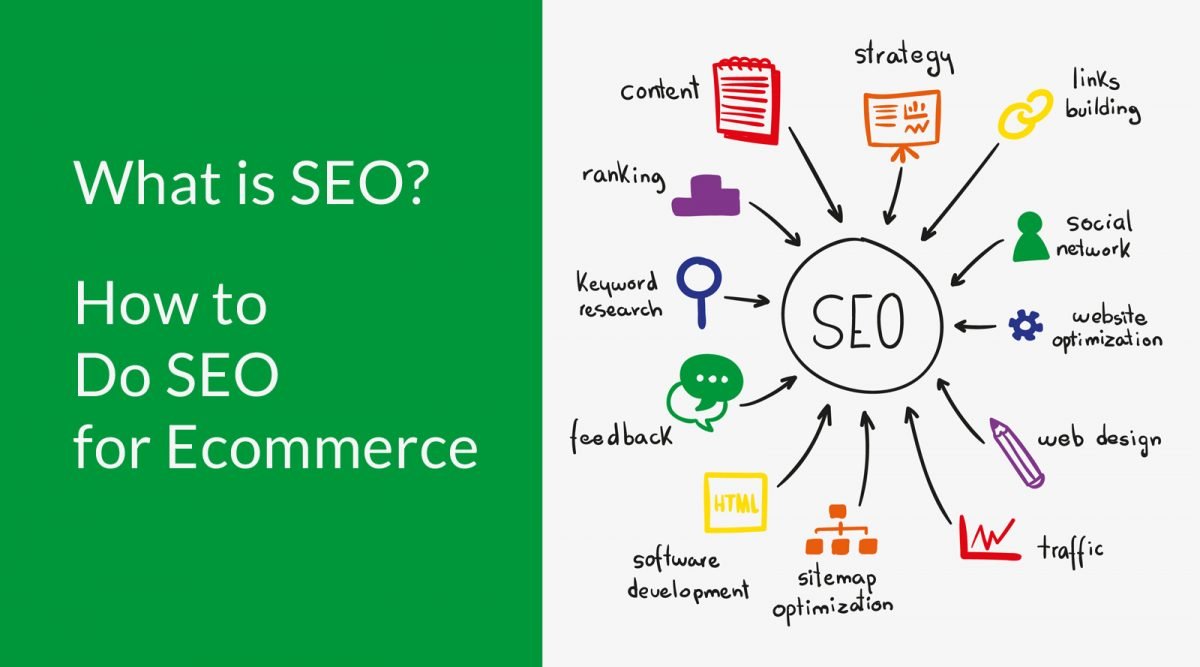
SEO Basics are the foundation of improving a website’s visibility. SEO stands for Search Engine Optimization. It helps websites appear higher in search engine results without paying for ads.
SEO makes websites easier to find. It focuses on organic, or unpaid, traffic. Understanding these basics is key to building a strong online presence.
Search engines use crawlers to find new web pages. These crawlers scan and read your website content. After that, they add pages to the search engine’s index. This index is like a giant library of web pages.
Keywords are the words people type into search engines. Choosing the right keywords helps connect your website to users. Research shows what terms people use most. Using these keywords in your content improves rankings.
On-page Optimization
This means making changes on your website to help search engines. It includes using keywords in titles, headers, and text. Also, it means improving site speed and mobile-friendliness. Good structure helps both users and search engines.
Off-page Optimization
Off-page SEO involves actions outside your website. Getting links from other websites builds your site’s authority. Social sharing and mentions also help. These factors increase trust in your site.
Content Quality
High-quality content attracts visitors and search engines. Content should be clear, useful, and original. It answers questions and solves problems. Fresh content keeps your site relevant.
Credit: codbel.com
How Search Engines Work
Understanding how search engines work is key to grasping SEO. Search engines find and organize information from the web. They then show the most useful results to users based on their queries.
Search engines use complex systems to crawl, index, and rank web pages. This process helps users find relevant content quickly and easily.
Crawling
Crawling is the first step in the search process. Search engines use bots called crawlers or spiders. These crawlers visit web pages and follow links to discover new content. They scan the page’s text, images, and code to understand its content.
Indexing
After crawling, search engines store the collected information in a giant database called an index. The index holds details about each page’s content and keywords. This allows search engines to quickly retrieve relevant pages when someone searches.
Ranking
Ranking decides the order of pages shown in search results. Search engines use algorithms to evaluate many factors. These factors include page quality, relevance, and user experience. The best pages for a specific search appear at the top.
Crawling And Indexing
Crawling and indexing are crucial steps in SEO. Search engines use these processes to find and organize web pages. Without crawling and indexing, websites would not appear in search results.
Crawling involves search engine bots visiting web pages. These bots follow links to discover new and updated content. This helps search engines understand what pages exist on the internet.
Indexing happens after crawling. It is the process of storing and organizing the content found. Indexed pages can be retrieved and shown in search results when users enter relevant queries.
Crawling Explained
Crawling is done by search engine spiders or bots. These bots scan the web by following links from one page to another. They read the content, images, and code on each page. This information helps search engines know what the page is about.
Not all pages are crawled equally. Some pages are crawled more often because they change frequently or have high importance. Others may be crawled less or ignored if blocked by rules.
How Indexing Works
Indexing stores the information collected during crawling. Search engines analyze the content for keywords, relevance, and quality. This data is saved in a large database called an index.
Pages in the index can be shown in search results quickly. If a page is not indexed, it cannot appear in search results. Proper indexing is essential for good SEO performance.
Importance For Seo
Crawling and indexing ensure your website can be found by users. A well-structured site helps bots crawl and index efficiently. Using sitemaps and clear navigation improves this process.
SEO efforts focus on making pages easy to crawl and index. This increases the chances of ranking higher in search results. Understanding these steps helps create better websites for search engines and users.
Ranking Algorithms
Ranking algorithms decide how search engines order the results you see. They use many rules to find the best matches for a search query. The goal is to show the most useful and relevant pages first. These algorithms change often to improve search quality and fight spam. Understanding these helps in optimizing websites effectively.
What Are Ranking Algorithms?
Ranking algorithms are sets of rules used by search engines. They analyze web pages to determine their value for specific searches. Factors include content quality, keywords, site speed, and user experience. These algorithms assign scores to pages, which decide their place in search results.
How Do Ranking Algorithms Work?
Search engines use bots to crawl and index web pages. Then, algorithms evaluate each page’s relevance and trustworthiness. They compare pages using hundreds of criteria. The better a page meets these criteria, the higher it ranks. Algorithms aim to match user intent with the best content available.
Why Ranking Algorithms Matter For Seo
Ranking algorithms guide SEO strategies by highlighting what matters most. Optimizing for these rules improves visibility and traffic. Websites that follow algorithm guidelines appear higher in search results. This increases chances of attracting more visitors and potential customers.
Keyword Research
Keyword research is the first step in SEO. It helps find the words people type in search engines. These words guide content creation to match what users want.
Choosing the right keywords brings more visitors to a website. It improves chances to rank higher in search results. Keyword research connects websites with real audience needs.
What Are Keywords?
Keywords are the terms people enter into search boxes. They can be one word or a short phrase. For example, “best shoes” or “how to bake bread.”
Using the right keywords helps search engines understand your page. It shows what your content is about and who should see it.
How To Find Keywords
Start by thinking about what your audience wants. Use tools like Google Keyword Planner or free options online. These tools show popular words and their search volume.
Look for keywords with good traffic but low competition. This balance makes it easier to rank well. Also, consider long-tail keywords, which are more specific and less competitive.
Why Keyword Research Matters
Keyword research saves time and effort. It prevents creating content no one searches for. It guides your writing to focus on real user questions and needs.
Proper keywords increase website visits and improve user engagement. They help your site appear in front of the right people at the right time.
On-page Seo Techniques
On-page SEO techniques focus on optimizing elements within your website. These changes help search engines understand your content better. They also improve the experience for visitors. This leads to higher rankings and more traffic.
Content Optimization
Content is the heart of on-page SEO. Use clear and simple language. Include keywords naturally in titles, headings, and text. Write unique and useful information that answers user questions. Break content into short paragraphs for easy reading. Use bullet points or lists to highlight key ideas. Add images with descriptive alt text to support your content.
User Experience Improvements
User experience plays a big role in SEO. Make your website fast and mobile-friendly. Ensure pages load quickly on all devices. Use easy navigation so visitors find information fast. Avoid pop-ups that block content. Choose readable fonts and colors that do not strain the eyes. Clear calls to action help users interact with your site effectively.
Off-page Seo Strategies
Off-page SEO strategies focus on actions taken outside your website to improve its search ranking. These techniques help build your site’s reputation and trustworthiness. Search engines use these signals to determine how popular and relevant your site is. Effective off-page SEO can increase your site’s visibility and bring more visitors.
Backlink Building
Backlinks are links from other websites pointing to your site. Search engines see backlinks as votes of confidence. The more quality backlinks you have, the higher your site can rank. It is important to get links from trusted and relevant sites. Avoid low-quality or spammy links that can harm your ranking. Building backlinks can involve guest posting, partnerships, and content sharing.
Brand Authority
Brand authority means how trustworthy and well-known your brand is online. A strong brand authority signals search engines that your site is reliable. You can build authority by creating valuable content and engaging with your audience. Social media presence and positive reviews also boost brand authority. A respected brand often gets more organic traffic and better search rankings.
Technical Seo Essentials
Technical SEO is the foundation of a strong website. It ensures search engines can easily find, read, and understand your pages. Without good technical SEO, even the best content may not rank well.
Focus on site structure, page speed, and proper coding. These elements help improve user experience and search engine rankings. Below are key technical SEO essentials to know.
Site Structure
Site structure means organizing your website’s pages clearly. Use categories and subcategories to group related content. A clean structure helps visitors find information fast. It also helps search engines crawl your site efficiently.
Use a logical URL hierarchy. For example, example.com/blog/seo-basics is better than example.com/page123. Add internal links to connect important pages. This boosts page authority and user navigation.
Core Web Vitals
Core Web Vitals measure page speed and user experience. Google checks loading time, visual stability, and interactivity. Fast-loading pages keep visitors engaged and reduce bounce rates.
Improve loading speed by compressing images and minimizing code. Use tools like Google PageSpeed Insights to test your site. A smooth user experience increases your chances of ranking higher.
Schema Markup
Schema markup is code added to your website. It helps search engines understand your content better. This can lead to rich results like stars, prices, or event dates in search listings.
Add schema for products, articles, reviews, and local businesses. Schema improves your website’s visibility and click-through rates. It gives search engines more context about your pages.
Local Seo Tips
Local SEO helps businesses attract nearby customers. It focuses on optimizing your online presence for local search results. This strategy drives foot traffic and increases local sales.
Applying local SEO tips improves your visibility on search engines. These tips ensure your business appears when people search for services in your area.
Optimize Your Google My Business Profile
Claim and verify your Google My Business (GMB) listing. Add accurate business details, including address, phone number, and hours. Use relevant categories and add photos to attract attention.
Use Local Keywords In Your Content
Include city or neighborhood names in your website content. Use local keywords in titles, meta descriptions, and headings. This helps search engines connect your business to local searches.
Encourage Customer Reviews
Ask satisfied customers to leave reviews on Google and other platforms. Respond politely to all reviews, both positive and negative. Reviews build trust and improve local rankings.
Build Local Backlinks
Get links from local websites, blogs, and directories. Partner with local organizations or sponsor events to earn backlinks. Local backlinks boost your site’s authority in your area.
Ensure Consistent Nap Information
NAP means Name, Address, and Phone number. Keep this information the same on your website and all online listings. Consistency helps search engines trust your business data.
Mobile Seo
Mobile SEO focuses on optimizing websites for mobile devices. Smartphones and tablets now dominate internet use. Search engines give priority to mobile-friendly sites in rankings. This makes Mobile SEO essential for reaching more users effectively.
Mobile SEO ensures that websites load quickly on smaller screens. It also improves navigation and readability for mobile users. A good mobile experience keeps visitors engaged and reduces bounce rates.
What Makes Mobile Seo Important?
More than half of all web traffic comes from mobile devices. Search engines like Google use mobile-first indexing. This means they mainly use the mobile version of a website for ranking. Websites that are not mobile-friendly may rank lower.
Key Elements Of Mobile Seo
Responsive design adapts site layout to any screen size. Fast loading speed is critical on mobile networks. Clear and simple navigation helps users find information easily. Avoiding intrusive pop-ups improves user experience. Using legible fonts and buttons makes interaction easier.
How To Test Mobile Seo
Google’s Mobile-Friendly Test tool shows how well a site works on mobile. It highlights issues like text size, viewport settings, and clickable elements. Fixing these problems improves search rankings and user satisfaction. Regular testing keeps the site up to date with mobile standards.
Content Marketing And Seo
Content marketing and SEO work closely to improve website visibility and attract visitors. Quality content helps search engines understand your site’s relevance. SEO ensures this content reaches the right audience by optimizing keywords and structure.
Creating useful and engaging content keeps visitors interested. Search engines reward websites that offer valuable information. Content marketing focuses on providing this value through blogs, videos, and other formats.
How Content Marketing Supports Seo
Content marketing creates topics around key phrases people search for. This helps your site rank higher in search results. Fresh and relevant content shows search engines your site is active.
Using Keywords Effectively
Keywords connect your content with user searches. Placing them naturally in titles, headings, and text boosts SEO. Avoid stuffing keywords to keep content readable and useful.
Building Authority Through Content
Good content earns backlinks from other websites. These links increase your site’s trust with search engines. Authority improves your chances to rank on the first page.
Enhancing User Experience
Content should be easy to read and navigate. Clear structure, short sentences, and engaging topics keep users on your site longer. This signals quality to search engines.
Seo Tools And Resources
SEO tools and resources help website owners improve their search engine rankings. They provide data and insights needed to optimize content and site structure. Using the right tools simplifies tasks like keyword research, site audits, and backlink analysis.
These resources save time and increase accuracy. Beginners and experts alike benefit from them. Many tools offer free versions to start learning SEO basics. Others provide detailed reports for advanced optimization.
Keyword Research Tools
Keyword research tools find popular search terms related to your topic. They show how often people search for certain words. This helps create content that matches user interests. Examples include Google Keyword Planner and Ubersuggest.
Site Audit Tools
Site audit tools check your website for SEO issues. They scan for broken links, slow pages, and missing tags. Fixing these problems improves user experience and search rankings. Tools like Screaming Frog and SEMrush are popular choices.
Backlink Analysis Tools
Backlink tools analyze websites that link to your site. High-quality backlinks increase your site’s trust and authority. These tools help identify good links and remove harmful ones. Ahrefs and Moz offer reliable backlink analysis features.
Content Optimization Tools
Content tools help create SEO-friendly articles. They suggest keywords, improve readability, and check grammar. These tools ensure your content is clear and relevant. Examples include Yoast SEO and Grammarly.
Rank Tracking Tools
Rank tracking tools monitor your website’s position in search results. They show changes over time and track competitors. This data helps adjust SEO strategies quickly. Popular options are Google Search Console and SERPWatcher.
Measuring Seo Success
Measuring SEO success is essential to understand if your efforts bring real results. It shows what works and what needs improvement. Tracking key data helps you make better decisions and grow your website’s performance. Two main ways to measure SEO success are traffic analytics and ranking tracking.
Traffic Analytics
Traffic analytics shows how many visitors come to your site from search engines. It tells you which pages attract the most users. You can learn visitor behavior, such as time spent and pages viewed. This data helps identify popular content and areas needing improvement. Tools like Google Analytics provide detailed traffic reports. Monitoring traffic helps measure the impact of your SEO strategies over time.
Ranking Tracking
Ranking tracking monitors your website’s position in search engine results for specific keywords. Higher rankings often lead to more traffic. Tracking changes in rankings helps assess your SEO performance. It shows which keywords are gaining or losing positions. Regular tracking helps spot trends and adjust your SEO tactics. Various tools, such as SEMrush or Ahrefs, offer ranking tracking features. Keeping an eye on rankings ensures your site stays competitive in search results.
Credit: thrivewp.com
Common Seo Mistakes
Common SEO mistakes can hurt your website’s ranking and traffic. Many beginners make errors that slow their progress. Avoiding these mistakes improves your chances of success. Understanding these errors helps you create a stronger SEO strategy.
Using Irrelevant Keywords
Choosing keywords that don’t match your content confuses search engines. This leads to lower rankings and poor user experience. Always pick keywords that relate directly to your page topic.
Ignoring Mobile Optimization
Most users browse on mobile devices. Websites that are not mobile-friendly lose visitors quickly. Search engines also favor mobile-optimized sites in their rankings.
Duplicate Content Issues
Copying content from other pages or sites creates duplicate content. Search engines may penalize your site or rank it lower. Make sure your content is unique and original.
Poor Quality Links
Links from low-quality or irrelevant sites hurt your SEO. Focus on building links from trustworthy and related websites. Quality links improve your site’s authority and ranking.
Neglecting Page Speed
Slow websites frustrate visitors and increase bounce rates. Search engines consider page speed when ranking sites. Optimizing images and minimizing code can boost loading times.
Future Seo Trends
The future of SEO is evolving fast. Search engines are getting smarter. Websites must adapt to keep ranking high.
New technologies and user habits shape how SEO works. Understanding these changes helps businesses stay visible online.
Artificial Intelligence And Machine Learning
Search engines use AI to better understand user queries. Machine learning helps improve search result accuracy. Content that matches user intent ranks higher.
SEO strategies now focus on creating natural, helpful content. AI tools can analyze trends and suggest improvements.
Voice Search Optimization
More people use voice assistants to find information. Voice searches tend to be longer and more conversational.
Optimizing for voice means using simple language and answering questions clearly. Local SEO grows in importance with voice search.
Mobile-first Indexing
Google prioritizes mobile versions of websites for ranking. Mobile-friendly sites load faster and offer better experiences.
Designing sites for mobile users is essential. Responsive layouts and quick load times improve SEO.
Video Content And Visual Search
Video content gains more attention from users and search engines. Visual search lets users find items using images instead of words.
Adding videos and optimizing images can boost traffic. Descriptions and tags help search engines understand visual content.
User Experience And Core Web Vitals
Search engines value websites that offer great user experience. Core Web Vitals measure loading speed, interactivity, and visual stability.
Improving these factors helps reduce bounce rates and increase rankings. Simple navigation and fast pages matter more than ever.
Credit: searchengineland.com
Frequently Asked Questions
What Is Seo And How Does It Work?
SEO (Search Engine Optimization) improves a website’s visibility in unpaid search results. It works by optimizing content, keywords, site structure, and backlinks. Search engines crawl, index, and rank pages based on relevance, quality, and user experience to deliver the best results for user queries.
How To Do Seo For Beginners?
Start SEO by researching relevant keywords your audience uses. Create quality, user-focused content. Optimize site speed and mobile usability. Build backlinks from trusted sites. Monitor performance and adjust strategies regularly for better rankings and traffic.
What Is An Example Of Seo?
An example of SEO is optimizing a webpage with relevant keywords and quality content to rank higher in search results.
Can You Do Seo By Yourself?
Yes, you can do SEO by yourself with basic knowledge. Focus on keyword research, quality content, and site optimization.
Conclusion
SEO helps websites appear higher in search results. It brings more visitors without paying for ads. Good SEO uses keywords, quality content, and fast, easy-to-use sites. Search engines reward pages that match what users want. Learning SEO basics can improve your website’s reach and growth.
Keep updating your site to stay relevant and visible. Small changes can lead to better rankings over time. SEO is a useful skill for anyone with an online presence. Simple steps can make your site easier to find and use.