
Low Competition Keyword Research: Unlock Hidden SEO Success Today 2026
Finding the right keywords is important for your website or blog. Keywords help people find your pages on Google and other search engines. But not all keywords are the same. Some are easy to rank for, while others are very hard. This article will explain low competition keyword research. It will show you how to find simple keywords that bring visitors without much effort.
What Are Low Competition Keywords?
Low competition keywords are words or phrases that fewer websites use. Many websites compete for popular keywords, like “shoes” or “phones.” These keywords are hard to rank for. But low competition keywords have fewer websites trying to get on the first page. This means you can rank higher more easily.
These keywords usually get less traffic. But the traffic they get is very valuable because it is easier to reach people. New websites or small businesses often use low competition keywords to grow. It helps them get noticed without spending too much time or money.
Why Use Low Competition Keywords?
- Easier to rank: Your site can appear higher on Google faster.
- Less effort: You don’t need many backlinks or complex SEO tricks.
- Good for beginners: New websites can start getting visitors quickly.
- More targeted: These keywords often match specific questions or needs.
- Better conversion: Visitors searching these keywords usually want something specific.
How to Find Low Competition Keywords
There are many ways to find low competition keywords. Some methods are free, and others use tools. Here are some easy ways you can start:
1. Use Google Search Suggestions
When you type a word in Google’s search box, Google shows suggestions. These are phrases people often search for. Look for longer phrases or more specific words. These are usually less competitive.
For example, type “dog food” in Google. You may see suggestions like “dog food for small breeds” or “best dog food for allergies.” These longer phrases are easier to rank for because fewer sites use them.
2. Check Related Searches
At the bottom of Google’s search results, you see related searches. These show what other people look for. These can give ideas for low competition keywords.
3. Use Free Keyword Tools
Some tools help you find keywords and show their competition level. Examples include:
- Google Keyword Planner
- Ubersuggest
- Answer the Public
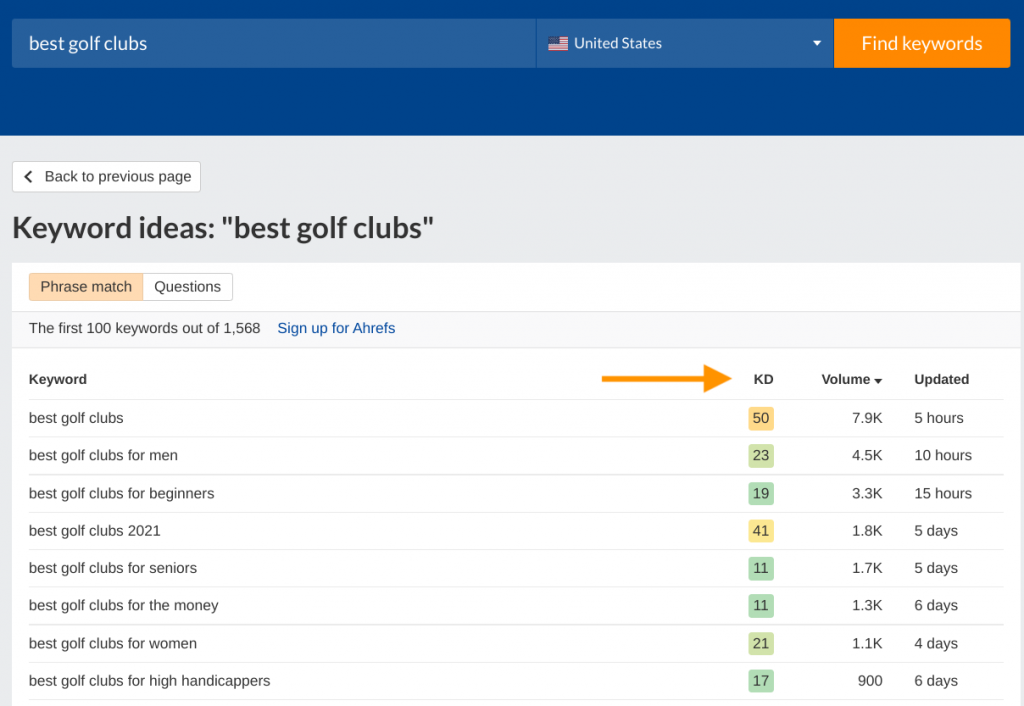
These tools show how many people search a word and how hard it is to rank. Choose words with good searches but low difficulty.
4. Look At Your Competitors
Check websites like yours. See what keywords they use. Find keywords they do not use well. These may be good low competition keywords.
5. Use Youtube Search Suggestions
YouTube also shows search suggestions. Many people search on YouTube. Use these phrases as keywords for videos or blogs.
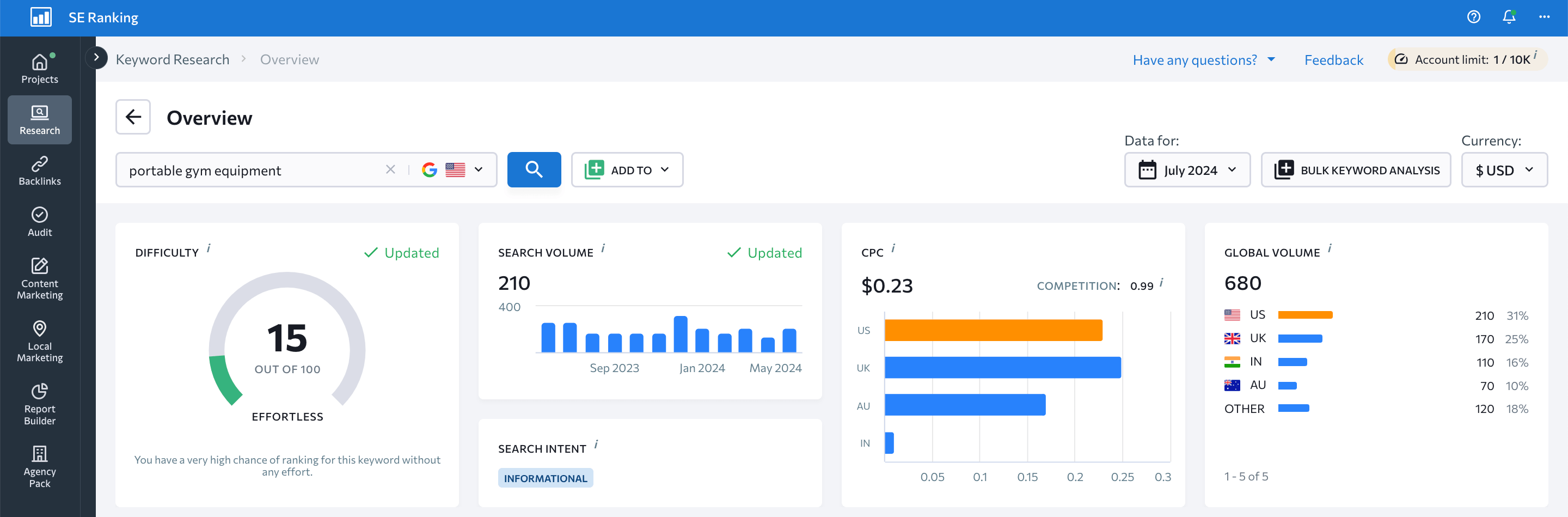
Credit: seranking.com
Examples of Low Competition Keyword Niches
Some topics have many low competition keywords. These are called niches. Choosing a good niche helps you find easy keywords. Here are some examples:
| Type | Examples |
|---|---|
| Sustainable Products | Bamboo kitchenware, compostable pet supplies, reusable bags |
| Pet Supplies | Organic treats for small dogs, eco-friendly cat litter |
| Home & Garden | Mobile home decor, smart gardening tools, DIY office setups |
| Digital Products | Printable planners, software templates, vintage camera guides |
| Health & Wellness | Natural deodorants, anxiety relief tools, specific diet recipes |
| Personal Finance | Budget apps for students, freelancer tax tips |
| Education & Skills | Online courses for trades, language learning guides |
| Mental Wellness | Stress management tips, job interview coaching |
 [ez-toc]
How to Narrow Down Your Niche
Choosing a broad niche is hard. For example, “pets” is too general. Instead, pick smaller parts of a niche. For example:
- From “pets” to “eco-friendly dog toys”
- From “home” to “mobile home decorating ideas”
- From “health” to “natural remedies for anxiety”
Smaller niches often have less competition. They also attract more interested visitors. This way, you can rank better and faster.
Tips for Using Low Competition Keywords
Finding keywords is only the first step. You must use them well in your content. Here are some tips:
- Write helpful content: Answer questions or solve problems.
- Use keywords naturally: Put them in titles, headings, and text.
- Create long articles: Longer content ranks better for many keywords.
- Use images and videos: These make your page more interesting.
- Update your content: Keep information fresh and correct.
Tools to Help With Low Competition Keyword Research
Some tools can make your work easier. Here are a few popular ones:
| Tool | What It Does | Cost |
|---|---|---|
| Google Keyword Planner | Finds keywords and shows search volume | Free |
| Ubersuggest | Keyword ideas, SEO difficulty, content ideas | Free and Paid |
| Answer the Public | Shows questions and phrases people ask | Free and Paid |
| Semrush | Advanced keyword and competitor analysis | Paid |
| Ahrefs | Keyword research, backlink checking | Paid |
Common Mistakes to Avoid
When searching for low competition keywords, avoid these mistakes:
- Choosing very low traffic keywords: They bring no visitors.
- Ignoring search intent: Match what people want to find.
- Using too many keywords: Focus on a few related keywords.
- Copying competitors blindly: Be unique and helpful.
Conclusion
Low competition keyword research is a smart way to grow your site. It helps you find words that are easy to rank for. Use tools and Google suggestions to find these keywords. Pick niches that are small but interesting. Write good content with your keywords. Avoid common mistakes. Keep learning and improving your skills.
Start your journey today. Find the right keywords. Make your website easier to find. Watch your visitors grow step by step.