
How to Keyword Research for Beginners: Ultimate Guide to SEO Success-2026
If you want your website or blog to get noticed, understanding keyword research is a game changer. But where do you start when the whole idea feels confusing?
Don’t worry—you’re in the right place. This guide will walk you through simple steps to find the best keywords that bring real visitors to your site. By the end, you’ll know exactly how to pick words that connect with your audience and boost your online presence.
Ready to unlock the secret to smarter content? Let’s dive in!
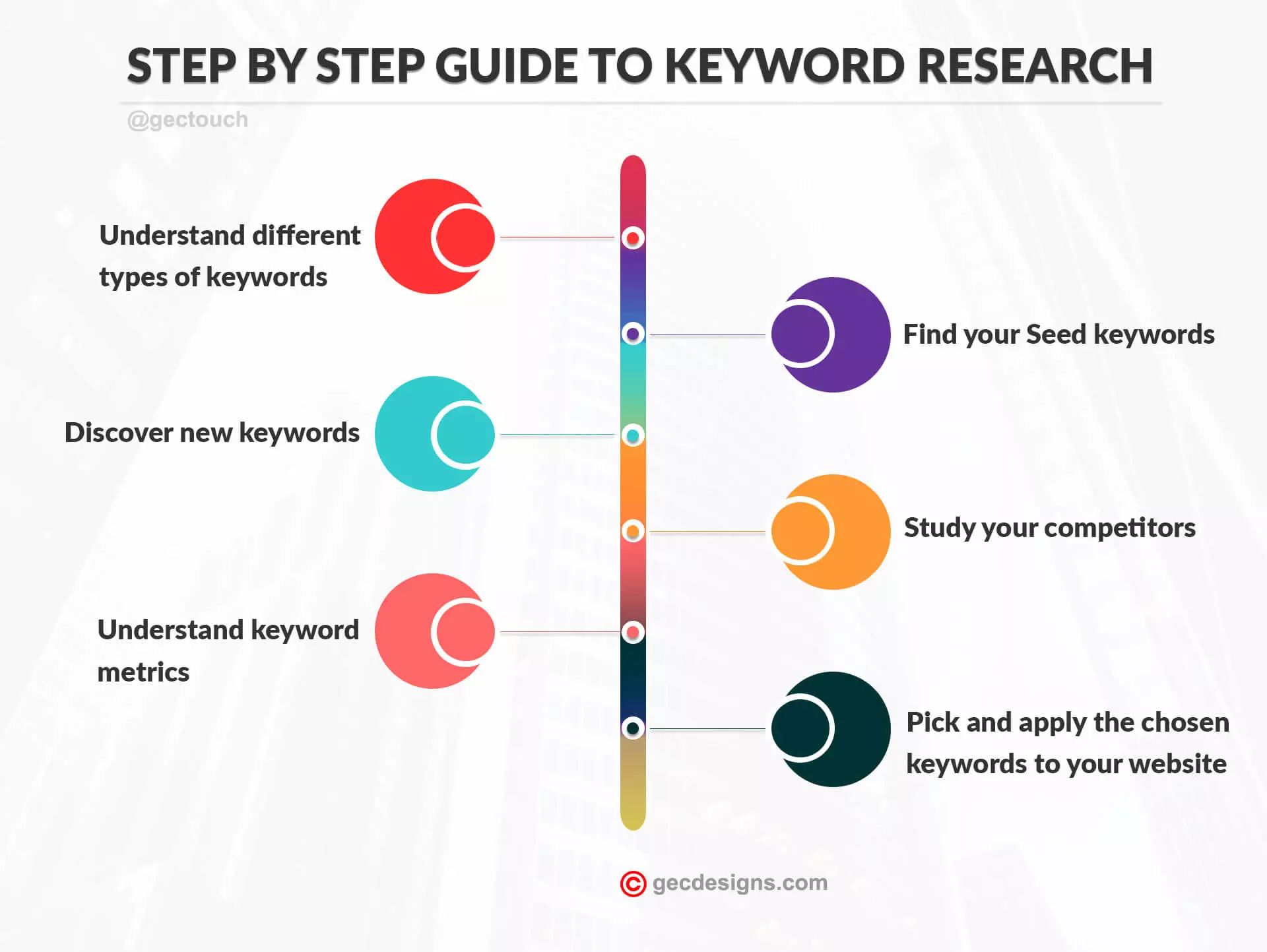
Basics Of Keyword Research
Understanding the basics of keyword research is essential for beginners who want to improve their website’s visibility. Keyword research helps find the right words people type in search engines. These words guide content creation and attract the right visitors. Learning how to do keyword research well can boost your chances of being found online.
What Is Keyword Research?
Keyword research is the process of finding and analyzing words or phrases people use in search engines. These words relate to your topic, product, or service. The goal is to identify keywords that can drive traffic to your website.
Keyword research involves:
- Discovering popular search terms
- Understanding search volume (how often a word is searched)
- Analyzing keyword competition (how hard it is to rank for a word)
- Finding keywords that match user intent
Here is a simple example of keyword research data:
| Keyword | Monthly Searches | Competition |
|---|---|---|
| best running shoes | 12,000 | High |
| running shoes for beginners | 3,500 | Medium |
| cheap running shoes | 5,800 | Low |
By studying this data, you can choose keywords that fit your goals and resources. Keyword research helps create content that matches what people want to find.
What Are Keywords?
Keywords are the words or phrases typed into search engines. They act like a bridge between what people want and the information you provide. Keywords can be a single word or a group of words.
Types of keywords include:
- Short-tail keywords: One or two words, very broad (e.g., “shoes”)
- Long-tail keywords: Three or more words, more specific (e.g., “women’s running shoes size 7”)
- Local keywords: Include a location (e.g., “best coffee shop in Boston”)
Each keyword type serves a different purpose:
- Short-tail keywords get high traffic but have high competition.
- Long-tail keywords get less traffic but attract more targeted visitors.
- Local keywords help attract nearby customers.
Keywords help search engines understand your content. Using the right keywords improves your chance of appearing in search results for relevant queries.
Why Keywords Matter
Keywords matter because they connect your content to what people search for online. Without keywords, your website might not show up in search results. Keywords guide search engines to understand your page’s topic.
Benefits of using keywords:
- Increase website traffic by targeting relevant searches
- Help create focused and useful content
- Improve search engine ranking
- Attract visitors more likely to engage or buy
Search engines use keywords to match pages with user queries. When your content contains the right keywords, search engines show it to more people. This can lead to better visibility and success.
Without proper keywords, your content may remain hidden. Using keywords smartly helps you reach your audience and meet their needs.
Tools For Keyword Research
Keyword research is a vital step for beginners to build a strong SEO strategy. Choosing the right tools helps find the best keywords that attract organic traffic. Tools assist in keyword analysis, understanding search volume, and evaluating keyword difficulty. They also reveal search intent and help identify long-tail keywords. Using proper tools improves content optimization and supports competitive analysis. Both free and paid options exist, each with unique features to guide your SEO efforts.
Free Keyword Tools
Free keyword tools offer essential features to start keyword research without any cost. These tools help beginners explore search volume and keyword difficulty. They also provide insights into search intent and suggest long-tail keywords to target less competitive phrases. Using free tools can build a solid foundation for SEO strategy and content optimization.
- Google Keyword Planner: A popular tool that shows search volume and keyword ideas. It helps with competitive analysis and finding relevant keywords for ads and organic content.
- Ubersuggest: Offers keyword suggestions, search volume data, and keyword difficulty scores. It also provides content ideas and SEO tips.
- Answer The Public: Displays common questions and phrases people search for. Useful for understanding search intent and creating content that answers user queries.
- Google Trends: Shows trending keywords and compares their popularity over time. Helps spot seasonal trends and emerging topics.
| Tool | Main Features | Best For |
|---|---|---|
| Google Keyword Planner | Search volume, keyword ideas, competitive analysis | Beginners starting PPC and organic SEO |
| Ubersuggest | Keyword difficulty, long-tail keywords, content ideas | Content optimization and keyword research |
| Answer The Public | Search intent, question keywords, topic ideas | Understanding user queries and content planning |
| Google Trends | Keyword popularity, trend analysis | Finding trending keywords and seasonal topics |
Paid Keyword Tools
Paid keyword tools offer advanced features for detailed keyword analysis and SEO strategy building. They provide accurate data on search volume and keyword difficulty. These tools help track competitors and perform deep competitive analysis. They also support content optimization with keyword suggestions and ranking reports. Investing in paid tools benefits those serious about improving organic traffic and search rankings.
- Ahrefs: Offers a comprehensive keyword explorer, backlink analysis, and competitive research. It provides detailed keyword difficulty and search intent data.
- SEMrush: Combines keyword research with site audit and competitor analysis. It helps identify long-tail keywords and optimize content effectively.
- Moz Pro: Includes keyword tracking, difficulty scores, and SERP analysis. It supports content optimization and SEO strategy refinement.
- KWFinder: Focuses on finding low keyword difficulty and long-tail keywords. It offers clear data on search volume and keyword trends.
| Tool | Main Features | Best For |
|---|---|---|
| Ahrefs | Keyword explorer, backlink data, competitive analysis | In-depth SEO and content optimization |
| SEMrush | Keyword research, site audit, competitor tracking | Complete SEO strategy and keyword analysis |
| Moz Pro | Keyword difficulty, SERP analysis, ranking reports | Content optimization and SEO monitoring |
| KWFinder | Long-tail keywords, keyword difficulty, search volume | Finding easy keywords with low competition |
Finding Keyword Ideas
Finding the right keyword ideas is the first step in effective keyword research. It helps you understand what people type into search engines. This knowledge guides your content creation and SEO strategy. Good keyword ideas attract more visitors to your website and improve your ranking. Start by exploring simple methods to gather a list of relevant keywords. Focus on what your audience wants to find. Use tools and creative thinking to expand your keyword list. This section covers two easy ways to find keyword ideas for beginners.
Brainstorming Techniques
Brainstorming is a creative way to find keyword ideas without tools. It uses your knowledge of the topic and audience. Start by writing down main topics related to your niche. Then think about words or phrases people might use to search for these topics.
- Write down basic keywords connected to your niche.
- Think about questions your audience might ask.
- Use simple words and phrases people use daily.
- Consider synonyms or related terms.
- Note down long-tail keywords (phrases with 3 or more words).
Example:
| Main Topic | Keyword Ideas |
|---|---|
| Healthy Eating |
|
| Home Gardening |
|
Brainstorming helps you create a broad list of keyword ideas. These can later be refined using tools to check search volume and competition. It also encourages thinking about the audience’s needs and language.
Using Competitor Analysis
Competitor analysis helps discover keywords your rivals use to get traffic. It shows what works well in your niche. Start by identifying your top competitors in search results. Then analyze their websites, blogs, or product pages for keywords.
Follow these steps:
- List 3-5 competitors in your niche.
- Visit their websites and note main keywords used in titles and headings.
- Use free or paid tools like Ubersuggest, SEMrush, or Ahrefs to see competitor keywords.
- Look for keywords that bring them high traffic.
- Find gaps where competitors rank well but you do not.
Example table of competitor keyword analysis:
| Competitor | Top Keywords | Keyword Type | Traffic Potential |
|---|---|---|---|
| ExampleSite1 | best running shoes, running tips, shoe reviews | Product + Informational | High |
| ExampleSite2 | running shoes for flat feet, trail running guide | Long-tail + Informational | Medium |
| ExampleSite3 | cheap running shoes, running gear list | Product + List | Medium |
Competitor analysis reveals keyword opportunities to target. It helps avoid missing important keywords your audience searches. Use this method to build a strong keyword list that matches your content goals.
Analyzing Keyword Metrics
Understanding how to analyze keyword metrics is a key step in keyword research for beginners. These metrics help decide which keywords to target for your content. They show how popular a keyword is, how hard it is to rank for, and what people want when they search. Knowing these details saves time and effort. It helps create content that matches what users look for. This section explains three important metrics: Search Volume, Keyword Difficulty, and User Intent. Each metric gives a different insight to choose the best keywords for your site.
Search Volume
Search volume shows how many times people search for a keyword in a month. It tells you how popular a keyword is. A higher search volume means more people want information on that topic.
For beginners, focus on keywords with a good balance. Too low volume means less traffic. Too high volume means more competition. Look for keywords that have steady and relevant searches.
Here are some points about search volume:
- High search volume: Many people search for it. Good for traffic but can be competitive.
- Low search volume: Fewer searches but less competition.
- Seasonal volume: Some keywords get searched more at certain times of the year.
| Keyword | Average Monthly Searches | Competition Level |
|---|---|---|
| Best running shoes | 12,000 | High |
| Running shoes for beginners | 1,200 | Medium |
| Cheap running shoes | 800 | Low |
Use tools like Google Keyword Planner or Ubersuggest to check search volume. Aim for keywords with a volume that fits your site’s strength and goals.
Keyword Difficulty
Keyword difficulty measures how hard it is to rank on the first page of search results for a keyword. It depends on competition and the quality of existing content.
Beginners should choose keywords with low to medium difficulty. These keywords are easier to rank for and help build your site’s authority.
Important facts about keyword difficulty:
- High difficulty: Many strong sites compete. Requires more effort and backlinks.
- Medium difficulty: Moderate competition. Good for sites with some authority.
- Low difficulty: Few strong competitors. Easier to rank quickly.
Keyword difficulty is often shown as a score from 0 to 100. Lower scores mean less competition.
| Difficulty Score | Competition Level | Best For |
|---|---|---|
| 0-30 | Low | New websites, beginners |
| 31-60 | Medium | Growing sites with some backlinks |
| 61-100 | High | Established sites with strong SEO |
Use SEO tools like Ahrefs, SEMrush, or Moz to find keyword difficulty scores. Pick keywords that match your site’s current power.
User Intent
User intent means understanding what people want when they type a keyword. It shows the goal behind the search. User intent can be informational, navigational, or transactional.
Matching content with user intent improves your chances of ranking well and keeping visitors happy.
Types of user intent:
- Informational: User wants to learn something. Example: “how to bake bread”
- Navigational: User wants to visit a specific site. Example: “Facebook login”
- Transactional: User wants to buy or take action. Example: “buy running shoes online”
Check the top results for a keyword to understand its intent. Your content should answer what users expect.
Tips for aligning with user intent:
- Use clear titles and headings that match the search goal.
- Provide detailed answers for informational queries.
- Make buying or signup steps easy for transactional searches.
- Ensure site navigation is simple for navigational intent.
Organizing Keywords
Organizing keywords is a key step in keyword research for beginners. It helps you keep track of many keywords and use them in the right way. Without a clear system, keywords can become confusing and hard to manage. Proper organization saves time and improves your SEO strategy. It also makes content planning easier and more effective. Start by collecting all your keywords in one place. Then sort and group them based on their meaning and purpose. This process helps you focus on what matters most for your website or blog.
Creating Keyword Lists
Start by making a list of all the keywords you find during your research. Use tools like Google Keyword Planner, Ubersuggest, or simple spreadsheets. A list keeps your keywords in one place, making them easier to review and use.
Here are tips for creating effective keyword lists:
- Include search volume: Write down how many people search for each keyword monthly.
- Note keyword difficulty: Add a score to show how hard it is to rank for each keyword.
- Use columns: Organize keywords with data like search volume, difficulty, and relevance.
- Keep it updated: Add new keywords and remove those that are not useful.
Example of a simple keyword list in a table format:
| Keyword | Search Volume | Difficulty | Notes |
|---|---|---|---|
| best running shoes | 12,000 | Medium | Good for product reviews |
| how to start running | 5,400 | Low | Great for beginner guides |
| running tips for beginners | 3,200 | Low | Use in blog posts |
Creating keyword lists is the first step to stay organized. It gives you a clear view of your SEO opportunities.
Grouping By Topic
Grouping keywords by topic helps you focus on specific themes. It makes content creation easier and more relevant. Instead of a long, mixed list, you get smaller groups that target one subject.
To group keywords:
- Look for common words or ideas in your keyword list.
- Place similar keywords into the same group or folder.
- Create separate groups for different products, services, or questions.
Example of keyword groups for a fitness blog:
| Group | Keywords |
|---|---|
| Running Shoes | best running shoes, running shoes for beginners, lightweight running shoes |
| Running Tips | running tips for beginners, how to start running, improve running speed |
| Fitness Nutrition | best foods for runners, pre-run snacks, post-run recovery meals |
Benefits of grouping keywords:
- Helps create focused content that ranks well.
- Makes it easier to plan blog posts or pages.
- Improves website structure and user experience.
- Helps find gaps and opportunities in your topics.
Use tools like spreadsheets or keyword research software to manage your groups. Clear groups keep your SEO work organized and on track.
Applying Keywords Effectively
Applying keywords effectively is a key step in using keyword research to improve your website’s search engine ranking. It means placing the right keywords in the right places on your pages so search engines can understand your content better. Proper use of keywords helps attract the right visitors and keeps your content clear and useful. Poor keyword use can confuse readers and reduce your site’s ranking. This section explains how to apply keywords well to get the best results.
On-page Seo Tips
On-page SEO means optimizing individual pages on your website to rank higher and earn more traffic. Using keywords smartly is a big part of this. Here are key tips for applying keywords effectively on your pages:
- Title Tag: Include your main keyword near the beginning of the title tag. This is one of the strongest signals to search engines.
- Meta Description: Use keywords naturally in the meta description to help users understand your page’s topic.
- Headings (H1, H2, H3): Place keywords in your headings to structure your content and highlight important topics.
- First 100 Words: Mention your main keyword early in the content to set the context for readers and search engines.
- URL Structure: Use simple URLs with keywords to make links clear and relevant.
- Alt Text for Images: Describe images with keywords to improve SEO and accessibility.
Here is a simple table showing where to place keywords:
| Page Element | Keyword Placement | Best Practice |
|---|---|---|
| Title Tag | At the start | Keep title under 60 characters |
| Meta Description | Naturally within 150-160 characters | Make it clear and inviting |
| Headings | Include main and related keywords | Use only one H1 per page |
| URL | Use short, keyword-rich URLs | Separate words with hyphens |
| Content Body | Spread keywords evenly | Focus on readability and value |
| Image Alt Text | Describe images with keywords | Keep it relevant and brief |
Avoiding Keyword Stuffing
Keyword stuffing happens when keywords are used too often or in unnatural ways. This can hurt your SEO and annoy readers. Search engines may lower your page rank or even remove your page from results. Avoid keyword stuffing to keep your content friendly and effective.
Tips to avoid keyword stuffing:
- Use keywords naturally: Write for humans first, then optimize for search engines.
- Focus on related terms: Use synonyms and related phrases instead of repeating the same keyword.
- Maintain good keyword density: Keep keywords around 1-2% of the total word count.
- Check your content: Read it aloud to ensure it sounds natural and smooth.
- Use keyword variations: This helps cover more search queries without overusing one word.
Here is an example of keyword stuffing versus good keyword use:
| Keyword Stuffing Example | Good Keyword Use Example |
|---|---|
| Buy cheap shoes online. Cheap shoes are the best cheap shoes for sale. Cheap shoes cheap cheap cheap! | Find affordable shoes online with great quality. Our selection offers the best deals on stylish footwear. |
Remember, quality content and user experience matter most. Keywords should support your message, not overpower it.

Frequently Asked Questions
What Is Keyword Research And Why Is It Important?
Keyword research identifies popular search terms your audience uses. It helps create relevant content, improving SEO and driving organic traffic to your site.
How Do Beginners Start Keyword Research Effectively?
Start by brainstorming topics related to your niche. Use free tools like Google Keyword Planner or Ubersuggest to find relevant keywords with good search volume and low competition.
What Tools Are Best For Beginner Keyword Research?
Google Keyword Planner, Ubersuggest, and AnswerThePublic are beginner-friendly tools. They provide keyword ideas, search volume, and competition data to guide your SEO strategy.
How To Choose The Right Keywords For My Content?
Focus on keywords with moderate search volume and low competition. Consider user intent and relevance to your content to attract the right audience and improve rankings.
Conclusion
Keyword research helps your content reach the right people. Start with simple tools and focus on words your audience uses. Check which keywords have low competition but good traffic. Keep updating your list as trends change. Practice this often to improve your website’s visibility.
Remember, good keywords bring more visitors and better chances to grow. Small steps lead to steady progress. Stay patient and keep learning. Success comes with time and effort.How to Keyword Research for Beginners: Ultimate Guide to SEO Success